The dunes do not defend themselves.
Organizing is the slowest of our programs and the only one that changes what happens next. It is dull work, mostly: watches kept, records filed, meetings attended in the cold hour before the first sun. Here is what that dullness buys, what it gives back, and where you fit in it.
We publish what they would rather keep vague.
An argument made from a drawing is harder to wave away than one made from a grievance. These five sheets are surveyed by our own people, printed on hide, and free to copy — take them to a hearing, a corral, or a settlement gate.
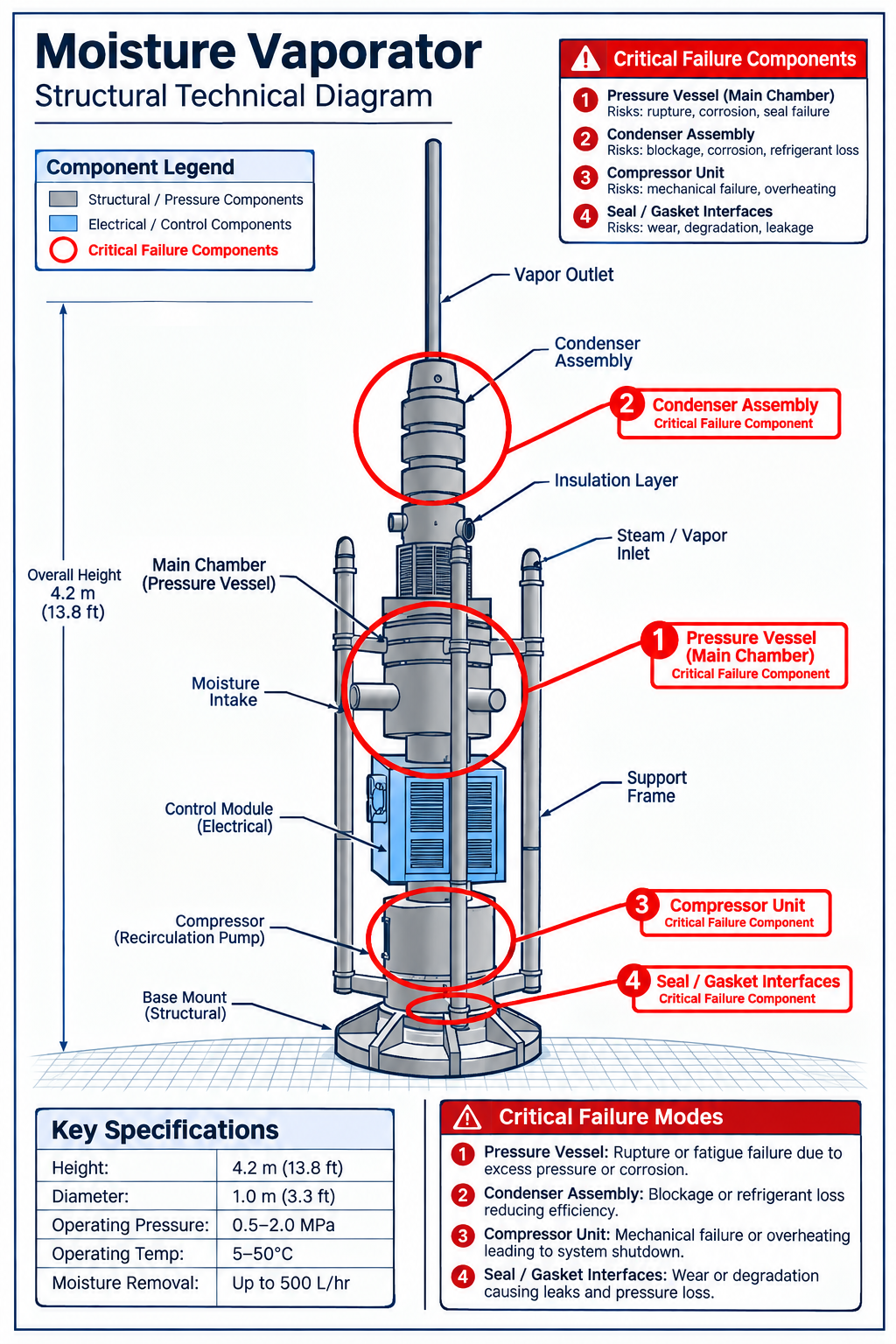
Moisture vaporator, in full
Every seal, chamber, and failure point on the machine that takes our water, mapped and published. A council can no longer call a leaking vaporator an accident when the wear pattern is printed and dated.
Open the full sheet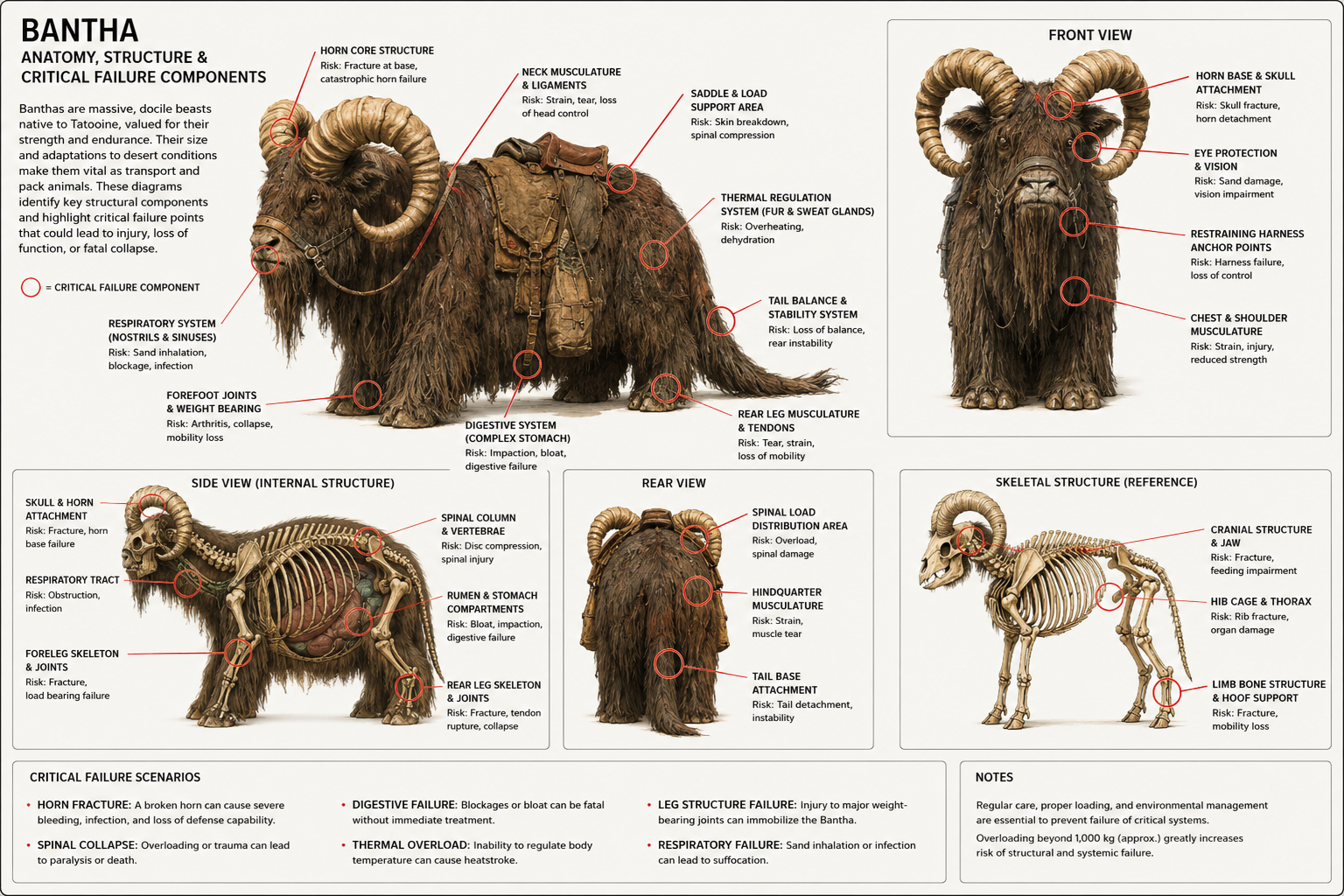
Bantha anatomy and load limits
Our welfare program's most-requested sheet. Overloading past a thousand kilos is the single most common injury we document, and it is the easiest one to prevent.
Open the full sheet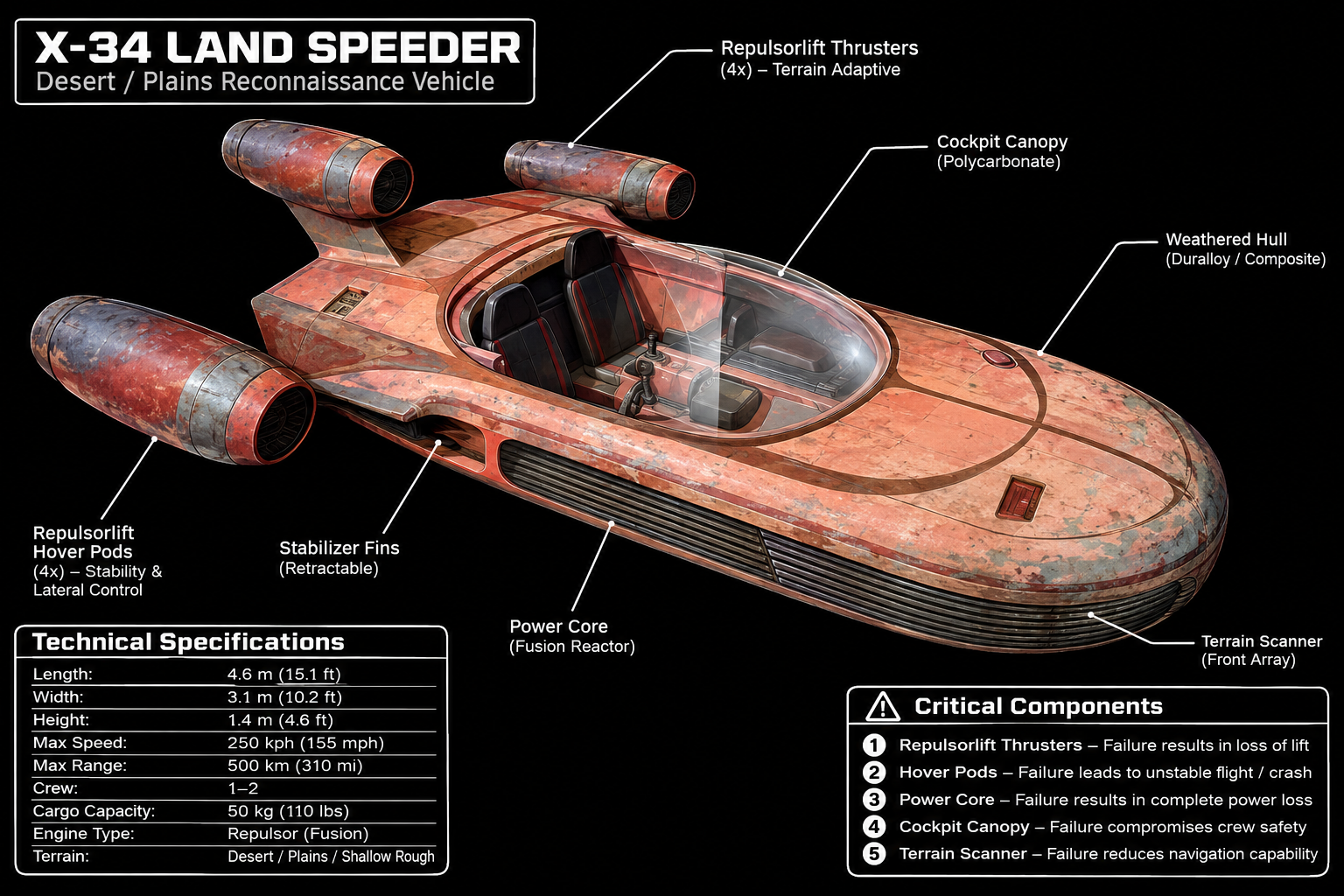
X-34 land speeder
The vehicle most often found parked across a migration corridor. Its range tells you how far a fence crew travelled to get there, which tells you who sent them.
Open the full sheet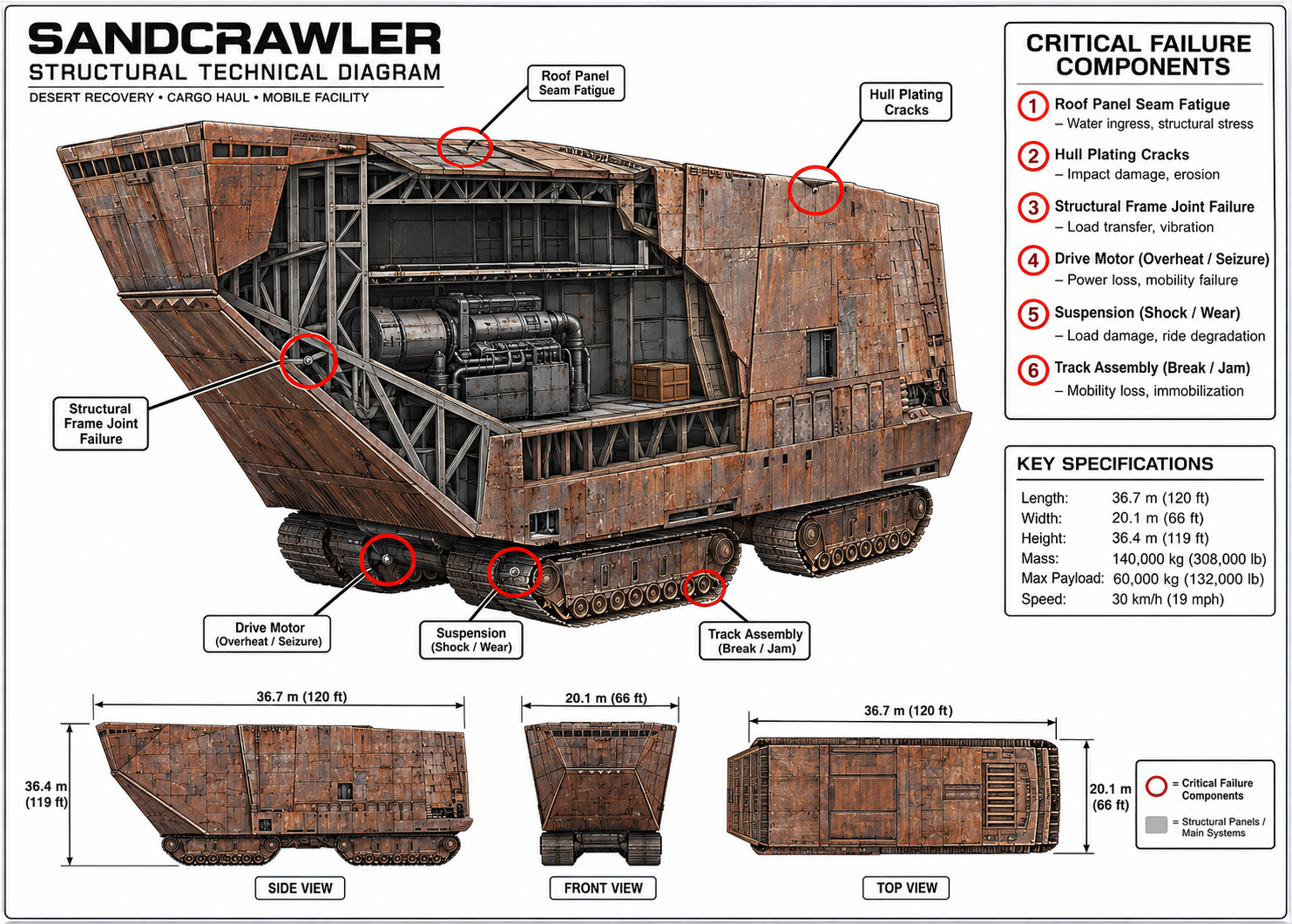
Sandcrawler, surveyed with permission
Drawn alongside our Jawa neighbours rather than about them. Shared salvage routes begin with shared drawings, and this one took three seasons of asking.
Open the full sheet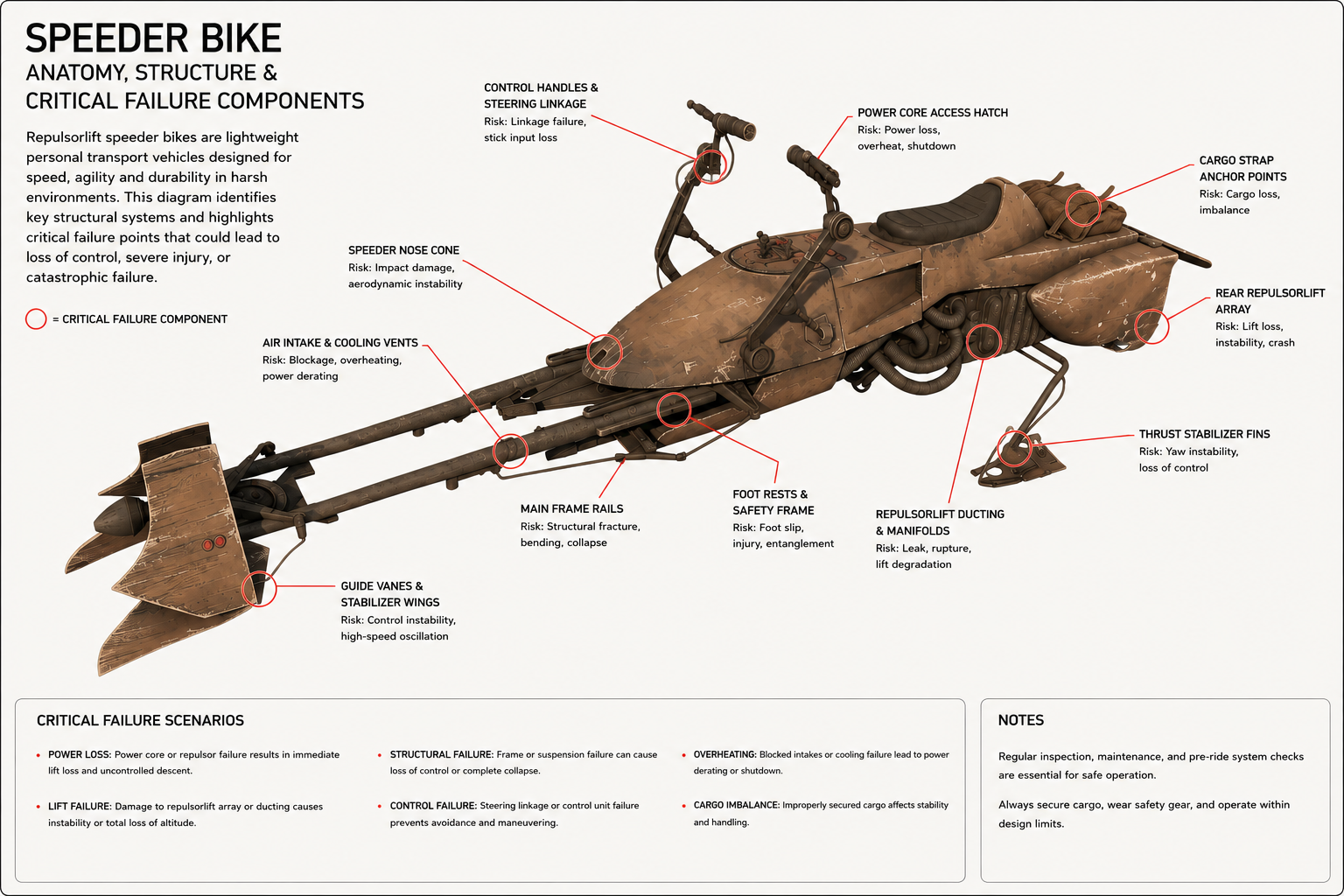
Speeder bike, and what fails first
Standard issue for a vaporator watch. The pre-ride checks in the lower panel are what keep a night shift from becoming a funeral.
Open the full sheetThe tangible returns.
These are the numbers we can put in front of a settlement council without raising our voices. Each is audited at both sunrises by a clan that did not collect it.
37
moisture farms peacefully reclaimed
Each one returns between four and nine thousand litres a season to the aquifer it was drawn from. Reclamation is negotiated first, at dawn, in the open.
1,900 km²
of open dune held free of fence
Unfenced sand keeps the bantha migration whole. Every fence line we retire is a corridor the herds can walk again without turning back.
14
clans at the negotiating rock
A single clan is a nuisance to a settlement council. Fourteen speaking as one is a party to the agreement, with a seat and a signature.
612
younglings taught the old tongue
Language is infrastructure. A generation that can name the dunes is a generation that can inherit the claim to them.
The returns we cannot count.
No auditor signs off on these, and no council minutes record them. Ask anyone who has kept a watch through a cold season which list matters more.
Dignity, returned
For a generation, our people were described only by those who feared us. Organizing puts the telling back in our own mouths — the same facts, spoken by the ones they happened to.
The songs kept whole
A song stops when the last singer stops. Every gathering, every dawn howl, every lesson passed to a youngling is a verse that does not go quiet with us.
Grief with somewhere to go
Loss out here is ordinary and it is heavy. Work shared across a clan turns private mourning into something with a direction and a next step.
Belonging across the sand
Clans that once met only over water rights now meet over shared work. The Dune Sea is a smaller, warmer place when you know who is walking the other line.
“Anakin needs to be lucky every time. We only need to be lucky once.”
Take your place in the line.
Four steps, in order. Most people stop after the second one, and the second one is the one that matters most.
- 1
Find your clan chapter
Every chapter meets at its own watering point on the first dawn after the twin sunrise. Bring nothing but yourself and a covering for the wind.
- 2
Take a vaporator watch
A watch is one shift, one week, one machine. You record what it draws and what it returns. Nothing more is asked of you, and nothing less is useful.
- 3
Learn the tongue
Our lessons are free and take a few minutes a day. Speaking even a little changes what a gathering sounds like — and what a settlement council hears.
- 4
Host a raid
Our fundraising raids are catered, seated, and entirely metaphorical. Guests leave with a bantha-hair blanket and a standing invitation to the dawn howl.